
Cook dry beans, lentils and peas with confidence
Pulse and Pod is a plain-language guide to the beans, lentils, chickpeas, peas and soybeans in a home pantry. It covers how each kind behaves, how to soak and cook them, how to handle them safely and what USDA data says is in them. It sells nothing and recommends no brands.
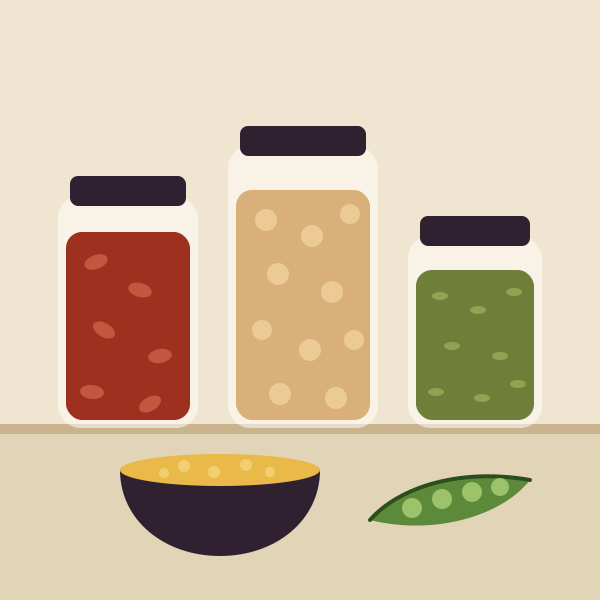
- Sort and rinsePick out stones, debris and shriveled beans, then rinse under cold running water.
- Soak, or notMost dry beans are soaked first. Lentils, split peas and black-eyed peas can go straight in the pot.
- Boil, then simmerRed kidney beans need a full boil before slow cooking. Then simmer gently until tender.
- Eat, or chill fastRefrigerate cooked beans in shallow containers within 2 hours, and use or freeze them within days.
Six guides, from the bag to the bowl
Read them in order the first time, or go straight to the one you need. Every guide names the documents it is based on and the date it was last reviewed against them.
-
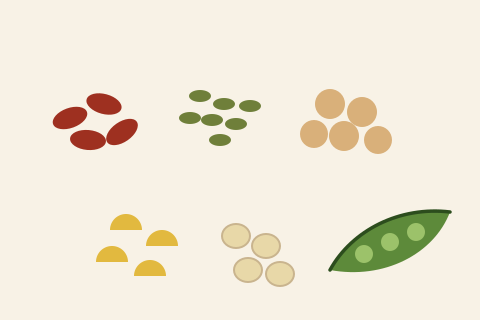
Beans, lentils, chickpeas, peas and soy: the main kinds
Pulses, soybeans and fresh pods, and how each behaves in the pot.
-
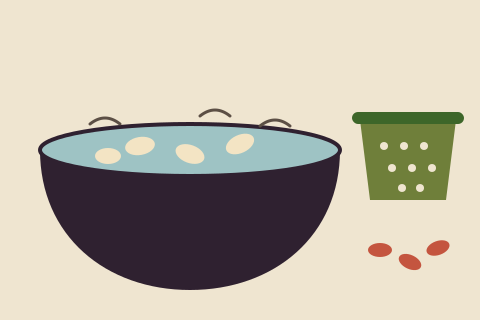
Soaking and cooking dry beans, step by step
Sorting, three ways to soak, simmering times and yields.
-
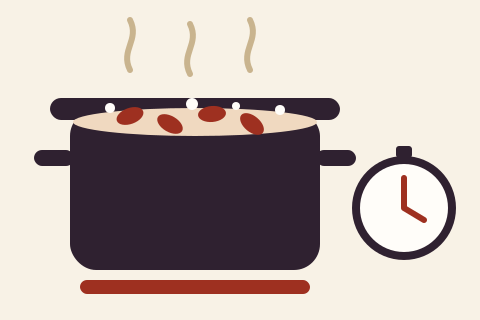
Raw kidney beans, lectins and cooking beans safely
Phytohaemagglutinin, the FDA soak-and-boil rule and slow cookers.
-
Canned beans, cooked leftovers and pantry storage
Can checks, shelf life, the fridge, the freezer and reheating.
-
What is in cooked beans: nutrition facts from USDA data
Eight legumes side by side, per 100 g, from FoodData Central.
-
Beans and lentils in cooking around the world
Stews, purees, flours and soy foods, described in general terms.
Facts from public sources, not from a sales pitch
Beans attract a lot of confident claims, from miracle diets to kitchen myths. This guide takes a narrower path. It explains how to cook legumes well and safely, and it takes each safety figure and nutrition number from a government agency, the UN Food and Agriculture Organization or a university extension service, named on the page where it is used.
- Named sources on every guideSafety guidance comes from the FDA and the USDA Food Safety and Inspection Service; nutrition figures come from USDA FoodData Central; cooking method comes from extension services.
- No health claims or diet plansNutrition is shown as food-composition data. Nothing here tells you what to eat for your health; that is a question for a qualified professional.
- Nothing for saleNo brands, products, advertising or affiliate links, and no connection to any grower, trade group or retailer.
Three facts worth keeping
- 5 hours, then 30 minutesthe FDA's soak and fresh-water boil for dry red kidney beans
- 3 to 4 daysfor cooked beans, or an opened can, kept in the refrigerator
- 2 to 5 yearson the shelf for low-acid canned goods such as beans, by USDA guidance
Each figure is explained, with its source, in the guides on kidney beans and on storage.