
Six guides to cooking with beans and legumes
Each guide covers one part of cooking with pulses and soybeans, in plain language, with its figures taken from named public sources. Read them in order the first time; after that, dip into the one you need.
-

Beans, lentils, chickpeas, peas and soy: the main kinds
What counts as a pulse, how dry beans, lentils, chickpeas, dry peas and soybeans differ in the kitchen, and why fresh green beans are treated as a vegetable.
-
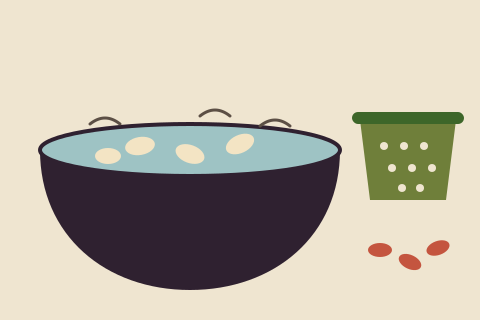
Soaking and cooking dry beans, step by step
How to sort, rinse, soak and simmer dry beans, the three soaking methods extension services describe, typical cooking times, and which legumes skip the soak.
-
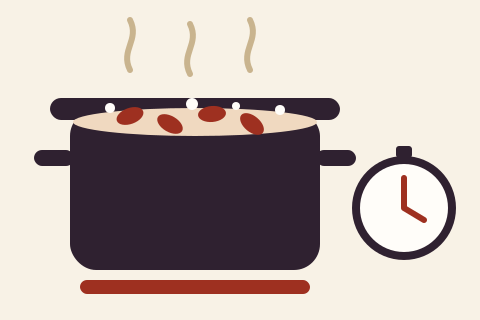
Raw kidney beans, lectins and cooking beans safely
Why raw or undercooked red kidney beans can make people ill, what the FDA says about soaking and boiling them, why slow cookers need care, and why canned beans differ.
-
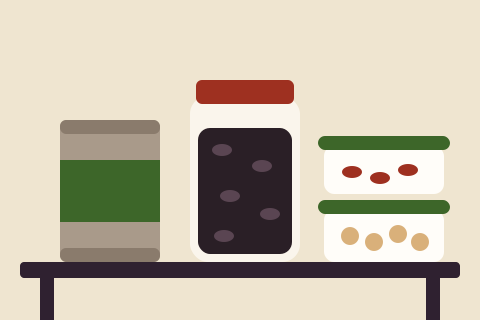
Canned beans, cooked leftovers and pantry storage
How long canned and dry beans keep, which cans to throw away, how to store an opened can, and how to chill, freeze and reheat cooked beans, from USDA guidance.
-
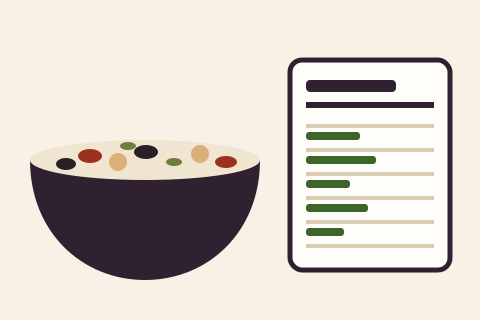
What is in cooked beans: nutrition facts from USDA data
Protein, fiber, carbohydrate, fat, folate, iron and potassium in eight cooked legumes, taken from USDA FoodData Central, with what the Dietary Guidelines say about them.
-
Beans and lentils in cooking around the world
A general tour of how pulses and soybeans are used in kitchens across the world, from simmered dishes and purees to flours and soy foods, without claiming any one tradition.